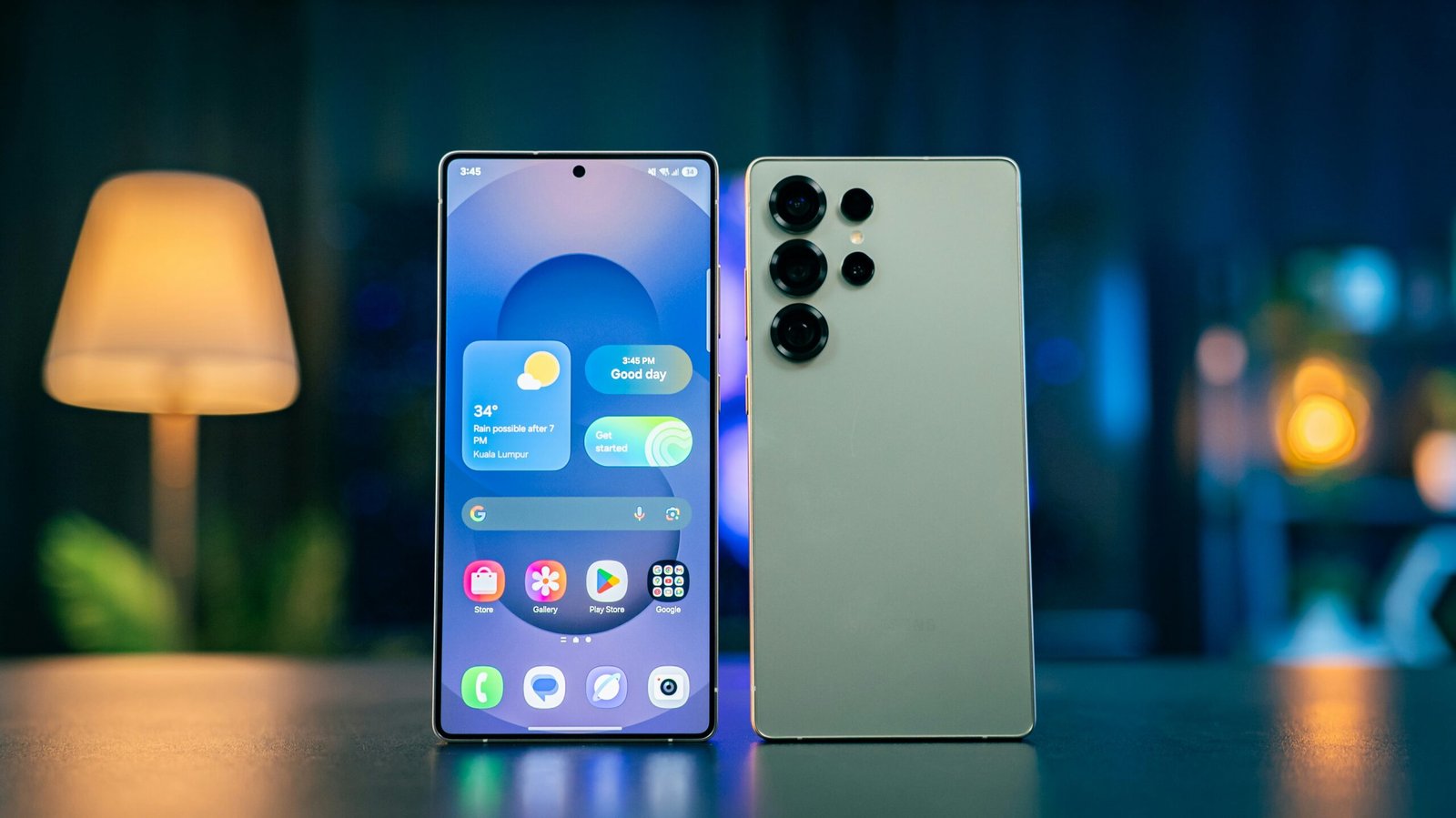
Choosing a smartphone in 2026 is both easier and harder than it used to be. It is easier because even mid-range handsets are now fast, have good cameras and last for years. It is harder because the marketing has become noisy. Every brand promises AI features, stunning cameras and all-day batteries, and the gaps between models are often subtle.
This guide is designed to help you cut through that. Instead of pretending there is one “best” phone for everyone, we break down the strongest options by budget and by what matters to you. We have not personally tested these phones for this article, and phone lineups, prices and software-update promises change quickly and vary by country, so treat the product lines named here as starting points and check current specifications and pricing with the manufacturer or a retailer before buying.
What to Look for in a Smartphone in 2026
Before looking at specific lines, it helps to know which specifications genuinely matter.
Software update support
This is one of the most important and most overlooked factors. Several manufacturers now promise many years of operating system and security updates on their flagship phones. A longer update window means a phone stays secure and useful for longer, which can make a pricier model cheaper over its lifetime. Always check the exact commitment for the specific model you are considering.
Camera quality
Megapixel counts tell you little. Real-world quality depends on the sensor, lens, image processing and video stabilisation. Look at independent sample photos and video comparisons, especially in low light, instead of relying on spec sheets.
Battery life and charging
Battery capacity matters, but efficiency matters just as much. Check independent battery tests where available, and note the charging speeds and whether wireless charging is supported. Some phones no longer include a charger in the box, which is worth factoring into the price.
Display
Look for a bright, smooth OLED screen. High refresh rates make scrolling feel fluid, and good outdoor brightness helps in sunlight.
Performance
Modern chips in mid-range and flagship phones handle everyday tasks easily. Raw benchmark scores matter less than sustained performance and thermal behaviour if you play demanding games.
AI features
Phone makers now promote on-device and cloud-based AI features, from photo editing to summarising notifications and translating speech. These can be useful, but they vary widely. Some features may be limited to certain regions or languages, and some may require an account or subscription later. Treat them as a bonus, not the main reason to buy.
Repairability and durability
Water resistance ratings, screen glass and the availability of repair options affect how long a phone lasts. Regulations in Europe and the UK are pushing for better repairability, but the experience still differs between brands.
Quick Overview: Best Smartphone Picks by Type
| Category | Product lines to consider | Why they stand out |
|---|---|---|
| Best overall for iPhone fans | Apple iPhone (current Pro or standard models) | Long software support, strong cameras and a polished ecosystem |
| Best premium Android | Samsung Galaxy S series | Versatile hardware, bright displays and wide feature set |
| Best Android for software and AI | Google Pixel (current flagship models) | Clean software, camera processing and Google’s AI features |
| Best value flagship | Google Pixel “a” series, Samsung Galaxy “FE” or A series | Near-premium experience at a lower price |
| Best foldable | Samsung Galaxy Z series, Google Pixel Fold line | Large inner display in a pocketable form |
| Best budget | Samsung Galaxy A series, Motorola Moto G series, Nothing Phone (a) series | Solid everyday performance for less |
| Best battery-focused | Several Chinese-brand and Motorola models | Large batteries and fast charging (availability varies) |
Specific model names change every year, so we name the product lines instead of promising a single winner. Check which generation is current when you shop.
Best Premium Smartphones (Flagship Tier)
Flagships represent each brand’s best technology. They cost the most, but they also tend to deliver the longest software support and the most polished cameras.
Apple iPhone
The iPhone remains the default choice for many buyers in the US and UK. Its strengths are consistent camera quality, strong video, tight integration with other Apple devices, and long-term software updates. If you already own a Mac, iPad, Apple Watch or AirPods, features like AirDrop, iMessage and iCloud make switching away harder, and that convenience is a genuine benefit.
Who it suits: people who want a simple, reliable phone that works smoothly with other Apple products and holds its resale value well.
Consider: pricing can be high at the top end, and storage upgrades are costly. Standard models are often the better value than Pro versions unless you need the extra camera features.
Samsung Galaxy S Series
Samsung’s flagship line is arguably the most feature-rich Android option, with bright displays, versatile camera setups, capable performance and strong software features. Samsung has also committed to long update periods on its recent flagships, though you should confirm the exact figure for the model you buy.
Who it suits: Android users who want a premium all-rounder with plenty of customisation and accessories.
Consider: the software can feel busier than Google’s, and trade-in or carrier deals often affect the real price.
Google Pixel
Pixel phones are known for their camera processing, clean Android experience and Google’s AI features, such as call screening, photo editing tools and live translation. Google has also committed to long update support on recent models.
Who it suits: people who want the purest Android experience, strong everyday photography and early access to Google features.
Consider: battery life, thermal performance and availability can vary by generation and region.
Best Value Flagships: Mid-Premium Phones
If a full flagship feels like too much, this tier is where many people get the most for their money. These phones borrow premium features, such as good cameras and strong displays, while saving cash through slightly less exotic hardware.
- Google Pixel “a” series: typically offers Pixel software and camera quality at a lower price.
- Samsung Galaxy A and FE models: bring Samsung’s software experience and good screens to a more accessible price point.
- Older flagships: last year’s premium phone can be a bargain when retailers cut prices. Check that it still has several years of updates remaining.
- Refurbished flagships: certified refurbished phones from reputable sellers can offer excellent value, provided there is a proper warranty.
Best Budget Smartphones
You no longer need to spend a lot to get a phone that does everything most people need. Budget handsets handle messaging, browsing, streaming and decent photos with ease. The compromises usually appear in camera consistency, display quality, charging speed and the length of software support.
What to prioritise on a tight budget
- Software update commitment. A cheap phone without updates becomes a security risk.
- Battery life. Many budget phones excel here thanks to efficient chips.
- Display quality. Look for an AMOLED or good-quality LCD with decent brightness.
- Storage. Avoid very low storage options that fill up quickly.
- Network support. Check compatibility with your carrier and 5G bands, particularly if buying an import.
Brands worth considering
- Samsung Galaxy A series for reliable software and good screens.
- Motorola Moto G series for clean software and competitive pricing.
- Nothing Phone (a) series for distinctive design and a mid-budget price.
- Other brands may offer strong specs for the price but have different update policies and availability, so research them carefully.
Best Foldable Smartphones
Foldables have matured, offering a phone-sized outer screen that unfolds into a small tablet. They are appealing for multitasking, reading and media.
Who they suit: people who want a large screen without carrying a tablet, and who accept paying a premium.
Consider: they cost more than standard flagships, can be thicker and heavier, and durability concerns around the hinge and inner screen are worth researching. Check the water-resistance rating and warranty terms. Flip-style foldables offer a compact alternative if you simply want a phone that shrinks to pocket size.
Best Phones for Cameras
If photography is your priority, remember that “best camera” is subjective.
- For natural-looking, consistent results and video: iPhone models are widely praised.
- For computational photography and editing tools: Pixel phones are a strong choice.
- For zoom flexibility and variety of lenses: Samsung’s higher-end Galaxy models are popular.
Look at independent camera comparisons and sample galleries, and consider how you actually shoot: family photos, low-light, travel or video.
Best Phones for Battery Life
Battery performance depends on both capacity and software efficiency. Large-battery phones from some brands, as well as certain Motorola and mid-range Samsung models, are often praised for multi-day use. Check independent battery tests in your region, because real-world results vary by network, screen settings and usage.
Android vs iPhone: Which Is Right for You?
| Factor | iPhone | Android |
|---|---|---|
| Choice of devices | Few models | Wide range at every price |
| Software updates | Long, consistent support | Varies by brand; top brands now offer long support |
| Customisation | More limited | Extensive |
| Ecosystem | Excellent with Apple devices | Works well with Google and Samsung services |
| Price range | Mid to high | Budget to ultra-premium |
| Repair and resale | Strong resale value | Varies |
Neither is universally better. Choose the platform that fits your existing devices, your budget and the apps and services you rely on.
How Much Should You Spend?
- Under a modest budget: prioritise update support, battery life and storage over camera specs.
- Mid-range: target a good display, reliable performance and at least several years of updates.
- Flagship: spend more if you want the best cameras, the longest update promise and premium build quality, or if you keep your phone for four or five years.
Consider the cost per year of ownership. A pricier phone that lasts five years may cost less per year than a cheap phone you replace after two.
Buying Tips to Save Money
- Compare carrier and SIM-only deals. Buying a phone outright and choosing a separate SIM plan can be cheaper than a bundled contract.
- Check trade-in offers, but compare them with selling the phone yourself.
- Buy last year’s model when new ones launch.
- Choose reputable refurbished sellers with warranty cover.
- Check consumer rights. In the UK, the Consumer Rights Act offers protections, and in the US, return policies vary by retailer, so confirm the terms before you buy.
- Think about accessories. A case, screen protector and charger can add to the total.
Final Thoughts
The best smartphone in 2026 depends on your priorities. If you want a polished, long-lasting phone that works well with other Apple devices, an iPhone is hard to beat. If you prefer Android, Samsung’s Galaxy S line offers breadth, while Google’s Pixel focuses on software and camera processing. For value, mid-range Pixel “a” and Samsung A or FE phones deliver much of the flagship experience for less, and budget options from Samsung, Motorola and others cover everyday needs well.
Whichever you choose, put software update support, battery life and a trustworthy retailer at the top of your checklist, and confirm current specifications and prices before you buy. A thoughtful choice now should serve you well for years.